Stomach Hernia:
Symptoms, Causes and Treatment
A stomach hernia is more commonly known as hiatal hernia.
It is the protrusion or herniation of the upper section of your stomach into your thorax through a weakness or opening in your diaphragm.
In layman's terms this means that a part of your body protrudes through an opening into another part.
And a hiatal hernia is when part of the stomach pushes through an opening in your diaphragm.
Hiatal hernias are present in approximately 15 percent of the population in the United States, but they rarely cause trouble.
In some cases a large opening can allow food and acid to get into your esophagus, and this can lead to heartburn and chest pain. Medication is usually used to relieve these symptoms, but sometimes a large opening can need surgery.
Symptoms
The majority of small hiatal hernias never cause any problems and you wouldn't even know you had one unless your doctor discovered it by accident.
Large hernias on the other hand may cause problems and they may get worse when you lean forward, strain, lift heavy objects or lie down.
Here are a few symptoms that can pop up:
- Belching
- Chest pain
- Heartburn
- Nausea
- Regurgitation
In some rare cases there may be further complications that can cause the following symptoms:
- Difficulty swallowing
- Obstruction of your esophagus
- Severe chest pain
Causes & Treatment
The cause of stomach hernias is unknown. Some develop a hiatal hernia after an injury, others are born with it and some develop it through regular activities.
There doesn't seem to be much you can do to prevent it. Your doctor will present different treatment options to you depending on how severe your hiatal hernia is and how much it is bothering you.
Here are some advice and treatment options available depending on the severity of your condition:
- Avoid lying down after meals
- Mild symptoms are often relieved by medication
- Reduce stress if the condition has been brought on by stress
- If the condition is serious, surgery may be required
When to See a Doctor
Most are not even aware that they have a hiatal hernia until they go to see their doctor about excessive belching, mild chest pains or heart burn.
If your symptoms become intense and severe and are accompanied by:
- Asthma
- Chest pain
- Coughing
- Difficulty swallowing
- Sore throat
You should talk to your doctor immediately, especially if you have trouble breathing, swallowing or have intense chest pains.
Recommended
One of the best ways to keep your body clean, healthy, and functioning properly is to do a colon cleanse.
 Colon cleanses can be done by just eating a strict healthy diet, or going on a juice fast.
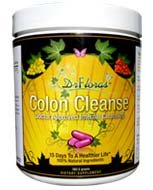
You can also buy a professionally formulated herbal colon cleanse, which has been formulated to effectively and safely eliminate constipation, toxins, and clean your body..
I've done a lot of research on the best colon cleansers, and I have to say, there are a lot of bad ones out there. The one I think is best - and that I recommend - is DrFloras colon cleanse.
They even offer a long money-back guarantee in case it doesn't work for you.
I'm very careful with what I recommend. I only recommend products that are 100% natural, safe, and effective, which is why I really like DrFloras.
Stay healthy. Stay safe!
References
1: Mayo Clinic - Hitala Hernia
2: MedicineNet - Causes, Symptoms, Diagnosis and Treatment


Recommended
I recommend the DrFloras colon cleanser if you want to cleanse your colon safely, effectively, and without spending a fortune.
Related Articles