Inflamed Colon:
Statistics, Symptoms and Treatments
About 1.2 percent of all people in the United States suffer from an inflamed colon, or as it is more commonly known, colitis.
It usually starts between age 15 and 40, and less frequently in older people between 50 and 70.
There are many different types of colitis and they are caused by different reasons.
The first step in diagnosing colitis is to find the underlying cause. Colitis is a general name used to describe a large number of causes that lead to an inflammation in the bowel.
Statistics
Here are some statistics from the National Institutes of Health. Note that these statistics are not entirely up to date, but they do give a general picture of the situation.
- Ulcerative colitis occurs most between the ages of 15 and 40
- Men and women are affected equally
- It appears to run in some families
- 25-40 percent of sufferers must eventually have their colons removed
- Around 5 percent develop colon cancer
Symptoms
Colitis symptoms can come and go. Sometimes they are worse and sometimes they are barely noticeable. Here are some of the more common symptoms:
- Anemia
- Bleeding
- Cramps
- Diarrhea
- Excessive amount of bowel movements
- Fatigue
- Fever
- Joint pain
- Loss of appetite
- Pain
- Tenderness in the stomach
- Weight loss
Treatment
Treatment depends on what form the disease takes, every individual experiences it in slightly different ways. Some might only have mild symptoms while others are affected a lot more. Because of this, treatment is adjusted depending on the severity of the disease.
Here are three traditional treatment options:
- Drug Therapy
Different drugs can be used to control and reduce inflammation. Drugs are also given to relax the patient or relieve diarrhea, infection or abdominal pain.
- Hospitalization
If symptoms get severe enough the person must be hospitalized. It can be because of severe diarrhea or bleeding that leads to dehydration. In those cases the doctor will try to return bodily function to normal by different measures such as diet, medication or surgery.
- Surgery
Around 25 to 40 percent of those affected by ulcerative colitis must eventually go to the hospital to have their colon removed. The reasons for this can be; severe bleeding, ruptured colon, risk of cancer or severe illness. The doctor might also recommend the removal of the colon if other treatment options fail.
These are the traditional options available, I have not read about any alternative treatments, so if you're interested in those please consult with your doctor.
Recommended
One of the best ways to keep your body clean, healthy, and functioning properly is to do a colon cleanse.
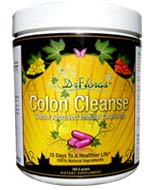 Colon cleanses can be done by just eating a strict healthy diet, or going on a juice fast.
You can also buy a professionally formulated herbal colon cleanse, which has been formulated to effectively and safely eliminate constipation, toxins, and clean your body..
I've done a lot of research on the best colon cleansers, and I have to say, there are a lot of bad ones out there. The one I think is best - and that I recommend - is DrFloras colon cleanse.
They even offer a long money-back guarantee in case it doesn't work for you.
I'm very careful with what I recommend. I only recommend products that are 100% natural, safe, and effective, which is why I really like DrFloras.
Stay healthy. Stay safe!
Sources:
1: National Digestive Diseases Information
2: National Institutes of Health (NIH) Publication No. 95-1597, April 1992


Recommended
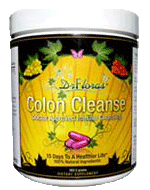
I recommend the DrFloras colon cleanser if you want to cleanse your colon safely, effectively, and without spending a fortune.
Related Articles